- Posts: 41
- Thank you received: 0
WW2 Goose neck flare ?
- Ian L
-
 Topic Author
- Offline
- Junior Member
-

Less
More
21 Aug 2015 05:45 #1
by Ian L
Pilot & WW2 vehicle restorer.
WW2 Goose neck flare ? was created by Ian L
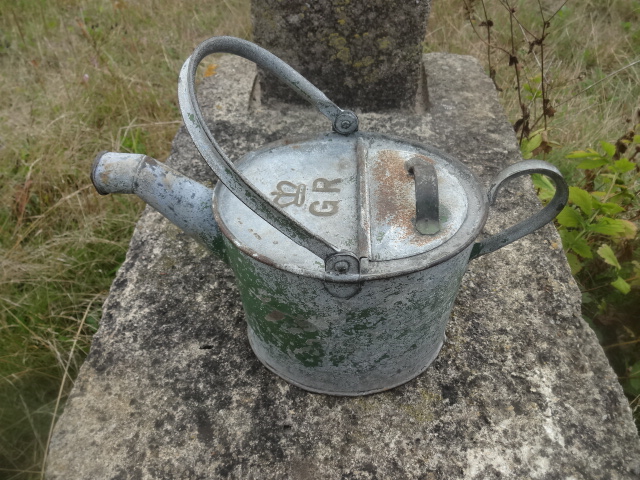
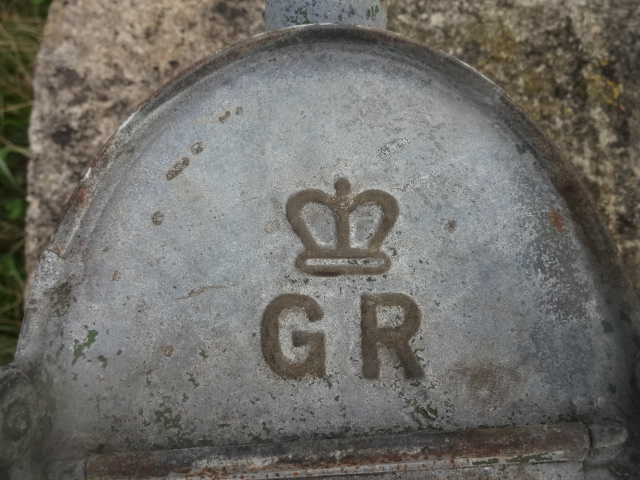
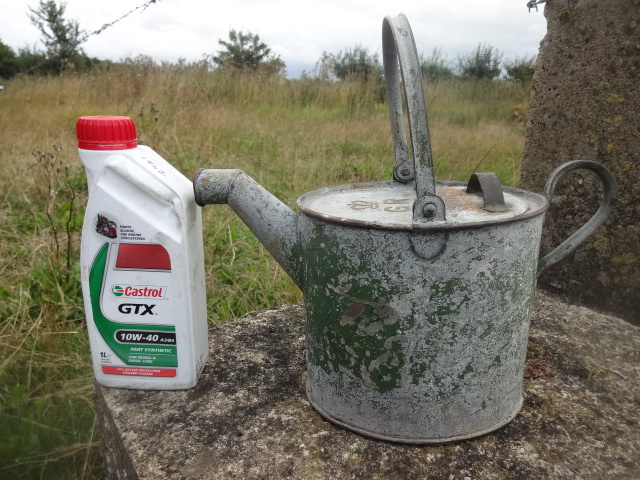
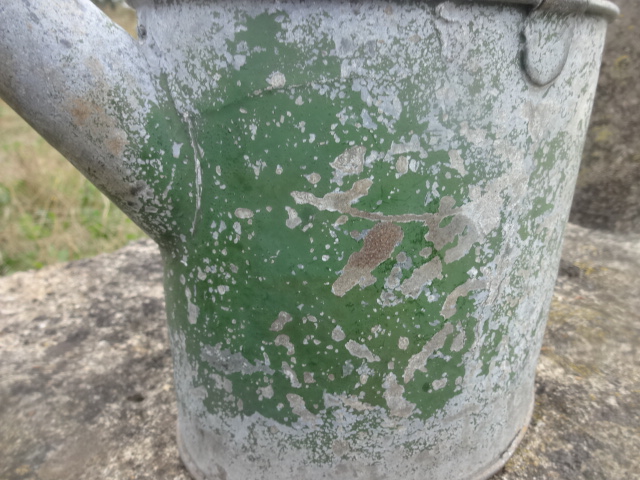
Bought this mystery object on ebay & then found out that it might be a WW2 goose neck flare ?
What are they & how do they work ?
Regards Ian
Attached files
This image is hidden for guests.
This image is hidden for guests.
This image is hidden for guests.
This image is hidden for guests.
This image is hidden for guests.
This image is hidden for guests.
This image is hidden for guests.
This image is hidden for guests.
What are they & how do they work ?
Regards Ian
Attached files
This image is hidden for guests.
Please log in or register to see it.
This image is hidden for guests.
Please log in or register to see it.
This image is hidden for guests.
Please log in or register to see it.
This image is hidden for guests.
Please log in or register to see it.
This image is hidden for guests.
Please log in or register to see it.
This image is hidden for guests.
Please log in or register to see it.
This image is hidden for guests.
Please log in or register to see it.
This image is hidden for guests.
Please log in or register to see it.
Pilot & WW2 vehicle restorer.
Please Log in or Create an account to join the conversation.
- Ossington_2008
- Offline
- Platinum Member
-

Less
More
- Posts: 1645
- Thank you received: 163
21 Aug 2015 07:54 #2
by Ossington_2008
Replied by Ossington_2008 on topic WW2 Goose neck flare ?
Stuff the spout with asbestos wool then fill with paraffin and ignite. Should last a couple of hours. Extinguish by placing a cap over the flame. If you have half a dozen or so, then pace them out in a line into the prevailing wind, then place a final one at the upwind end a comfortable runway width away. Think of an elongated L.
Please Log in or Create an account to join the conversation.
- PETERTHEEATER
-

- Offline
- Platinum Member
-
Less
More
- Posts: 10905
- Thank you received: 772
21 Aug 2015 08:46 #3
by PETERTHEEATER
Replied by PETERTHEEATER on topic WW2 Goose neck flare ?
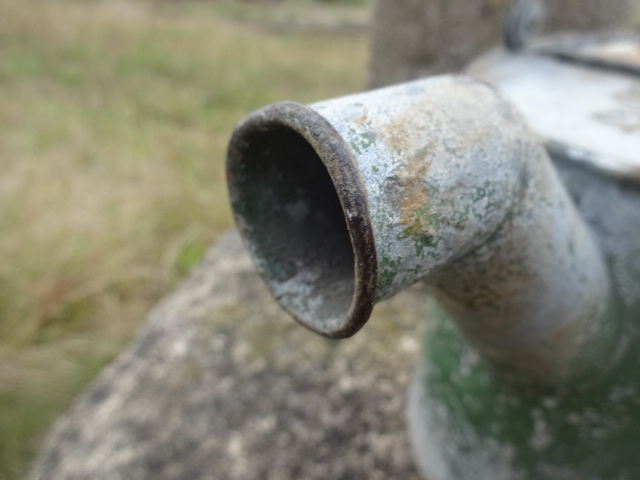
The original 'wick' (not shown) was a flat tube of woven cotton about 30mm wide pushed through the spout with about 4 to 6 inches protruding. The can was filled with kerosene (paraffin) to just below interior spout. Wick soaked up the fuel and was ignited using a Match, Fusee or more often, since many might be in use, a Portfire.
Often used as primary or secondary runway marking but also in other applications such as marine target marking on ranges.
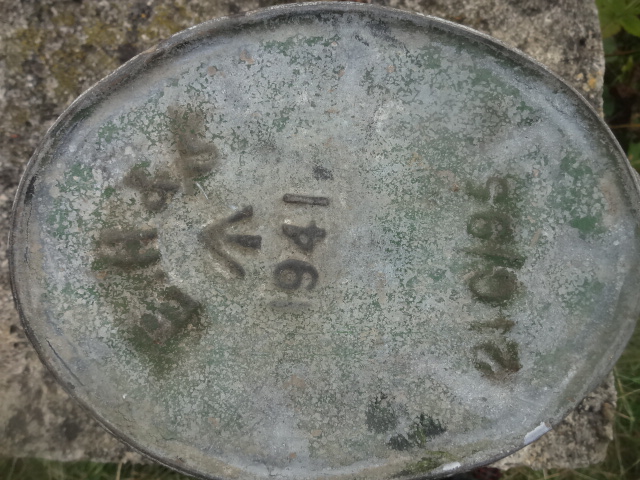
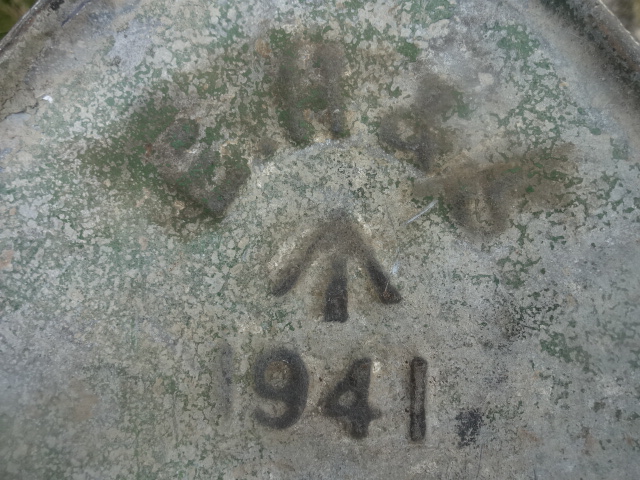
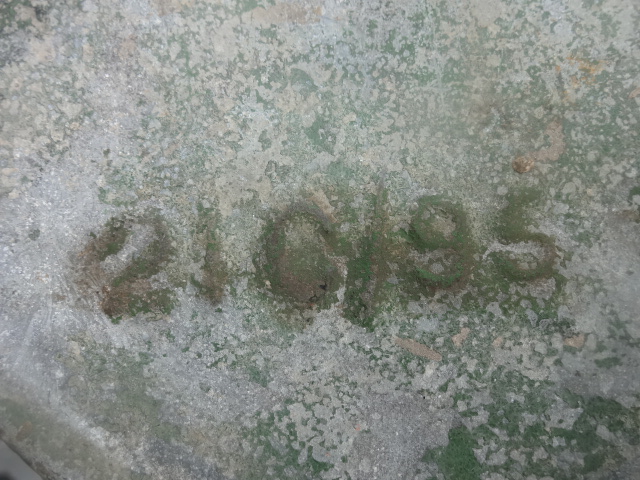
The '21G/95' is the RAF AP 1086 Stores Vocabulary number, i.e. Section 21G, Reference 95 used when ordering and identifying the item. I think that these were classified as 'B'' Stores and as such were not expendable but considered repairable and thus had to be held on custody charge of an individual Inventory and were accountable Ground Equipment.
There was available a pair of tongs which could be used to adjust the flaming wick but it was easier to wear a pair of RAF issue leather faced gloves or, in desperation, a folded beret:-P
Often used as primary or secondary runway marking but also in other applications such as marine target marking on ranges.
The '21G/95' is the RAF AP 1086 Stores Vocabulary number, i.e. Section 21G, Reference 95 used when ordering and identifying the item. I think that these were classified as 'B'' Stores and as such were not expendable but considered repairable and thus had to be held on custody charge of an individual Inventory and were accountable Ground Equipment.
There was available a pair of tongs which could be used to adjust the flaming wick but it was easier to wear a pair of RAF issue leather faced gloves or, in desperation, a folded beret:-P
Please Log in or Create an account to join the conversation.
- carnaby
-

- Offline
- Platinum Member
-
Less
More
- Posts: 5026
- Thank you received: 440
21 Aug 2015 09:11 #4
by carnaby

Plan A is always more effective when the problem you are working on understands that Plan B will involve the use of dynamite
Replied by carnaby on topic WW2 Goose neck flare ?
Do not do this. You may find an Airbus which has problems with its GPS trying to land in your garden.If you have half a dozen or so, then pace them out in a line into the prevailing wind, then place a final one at the upwind end a comfortable runway width away. Think of an elongated L.
Plan A is always more effective when the problem you are working on understands that Plan B will involve the use of dynamite
Please Log in or Create an account to join the conversation.
- canberra
- Offline
- Platinum Member
-
Less
More
- Posts: 5639
- Thank you received: 122
21 Aug 2015 14:02 #5
by canberra
Replied by canberra on topic WW2 Goose neck flare ?
And how exactly do you set light to asbestos wool???!!! As has been said it uses a cotton wick, and I bet theres a shed on an airfield somewhere with tons of the wicks in it!
Please Log in or Create an account to join the conversation.
- ancientarmourer
- Offline
- Junior Member
-
Less
More
- Posts: 70
- Thank you received: 1
21 Aug 2015 17:26 #6
by ancientarmourer
Replied by ancientarmourer on topic WW2 Goose neck flare ?
Remember these being used at Cranwell in 1958.
Please Log in or Create an account to join the conversation.
- Ian L
-
Topic Author
- Offline
- Junior Member
-
Less
More
- Posts: 41
- Thank you received: 0
21 Aug 2015 17:52 #7
by Ian L
Thanks for that explication Peter, are they rare ? and were there other designs ?
Regards Ian
Pilot & WW2 vehicle restorer.
Replied by Ian L on topic WW2 Goose neck flare ?
The original 'wick' (not shown) was a flat tube of woven cotton about 30mm wide pushed through the spout with about 4 to 6 inches protruding. The can was filled with kerosene (paraffin) to just below interior spout. Wick soaked up the fuel and was ignited using a Match, Fusee or more often, since many might be in use, a Portfire.
Often used as primary or secondary runway marking but also in other applications such as marine target marking on ranges.
The '21G/95' is the RAF AP 1086 Stores Vocabulary number, i.e. Section 21G, Reference 95 used when ordering and identifying the item. I think that these were classified as 'B'' Stores and as such were not expendable but considered repairable and thus had to be held on custody charge of an individual Inventory and were accountable Ground Equipment.
There was available a pair of tongs which could be used to adjust the flaming wick but it was easier to wear a pair of RAF issue leather faced gloves or, in desperation, a folded beret:-P
Thanks for that explication Peter, are they rare ? and were there other designs ?
Regards Ian
Pilot & WW2 vehicle restorer.
Please Log in or Create an account to join the conversation.
- carnaby
-
- Offline
- Platinum Member
-
Less
More
- Posts: 5026
- Thank you received: 440
21 Aug 2015 20:13 - 07 Oct 2019 20:53 #8
by carnaby
See [URL="www.airfieldresearchgroup.org.uk/forum/a...1-goosenecks?start=0[/URL]
and apologies for the first 29 posts with the incorrect apostrophe.
Plan A is always more effective when the problem you are working on understands that Plan B will involve the use of dynamite
Replied by carnaby on topic WW2 Goose neck flare ?
...were there other designs ?
See [URL="www.airfieldresearchgroup.org.uk/forum/a...1-goosenecks?start=0[/URL]
and apologies for the first 29 posts with the incorrect apostrophe.
Plan A is always more effective when the problem you are working on understands that Plan B will involve the use of dynamite
Last edit: 07 Oct 2019 20:53 by carnaby. Reason: Link corrected
Please Log in or Create an account to join the conversation.
- PETERTHEEATER
-
- Offline
- Platinum Member
-
Less
More
- Posts: 10905
- Thank you received: 772
22 Aug 2015 01:39 #9
by PETERTHEEATER
It's the fuel which burns the wick is simply the carrier. With the cotton wick, if the fuel ran dry, the wick often caught fire and smouldered. Some wicks were marked with printed lines every inch as I remember rather like '4 by 2' gun cleaning flanelette.
Replied by PETERTHEEATER on topic WW2 Goose neck flare ?
And how exactly do you set light to asbestos wool???!!! As has been said it uses a cotton wick, and I bet theres a shed on an airfield somewhere with tons of the wicks in it!
It's the fuel which burns the wick is simply the carrier. With the cotton wick, if the fuel ran dry, the wick often caught fire and smouldered. Some wicks were marked with printed lines every inch as I remember rather like '4 by 2' gun cleaning flanelette.
Please Log in or Create an account to join the conversation.
- PETERTHEEATER
-
- Offline
- Platinum Member
-
Less
More
- Posts: 10905
- Thank you received: 772
22 Aug 2015 01:45 #10
by PETERTHEEATER
Yes, there were other patterns but all had the basic 'watering can' shape. Some had a hinged flap on the end of the spout. Capacity ranged from 8 pints (One Imperial gallon) up to 3 gallons(?)
I doubt that they are rare just not seen and identified for what they are.
There was also a spherical kerosene flare known as a 'Toledo Flare' after the manufacturing company in USA. Often found this type rusting away on ex USAAF airfiekds.
Replied by PETERTHEEATER on topic WW2 Goose neck flare ?
Thanks for that explication Peter, are they rare ? and were there other designs ?
Regards Ian
Yes, there were other patterns but all had the basic 'watering can' shape. Some had a hinged flap on the end of the spout. Capacity ranged from 8 pints (One Imperial gallon) up to 3 gallons(?)
I doubt that they are rare just not seen and identified for what they are.
There was also a spherical kerosene flare known as a 'Toledo Flare' after the manufacturing company in USA. Often found this type rusting away on ex USAAF airfiekds.
Please Log in or Create an account to join the conversation.
Time to create page: 0.052 seconds